
The Best Oaxaca Pueblos Magicos in Mexico to Visit

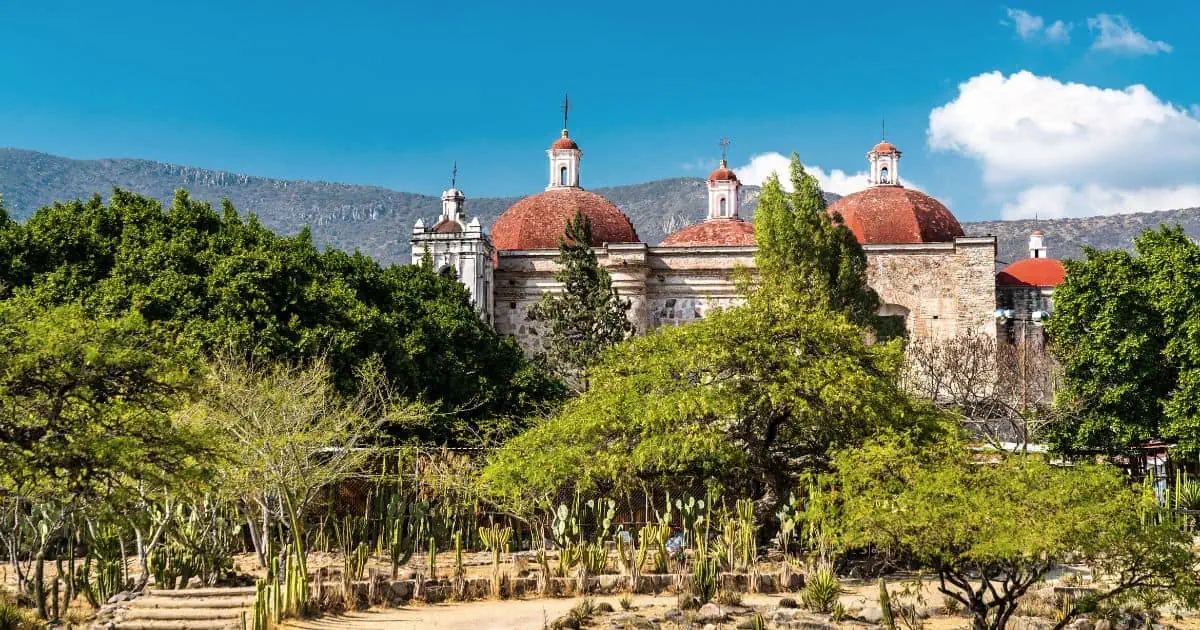

Want to visit the pueblos magicos in Oaxaca Mexico?
You’ve come to the right place for info because the six Oaxaca pueblos magicos are all featured here. When most people think about traveling to Oaxaca, Mexico, they probably think about two specific places.
The first is the state’s capital city, Oaxaca de Juárez, AKA Oaxaca City. This is the culinary capital of Mexico, and home to a historic City Center that has been declared a UNESCO World Heritage Site.
The second is the stunning beach town of Puerto Escondido, Mexico. Beloved by surfers, beach-goers, and those who want to escape the busy city life, the beaches of Oaxaca are worth checking out.
However, there are many other beautiful places to visit in Oaxaca, many of which are overlooked by more travel websites, and remain shrouded in mystery. The Oaxaca pueblos magicos are some of those travel destinations.
In this article, we’ll explore all six of the Mexico magic towns in Oaxaca state. Ready to discover the Oaxaca pueblos magicos? Let’s get to it!
What are the Oaxaca pueblos magicos?
The phrase Mexico pueblos magicos translates to magic towns. They are small towns with unique sites, features and traditions that Mexico visitors will want to check out.
While that was a simplified answer, those wondering, What is a pueblo magico? are in the right place. This article will clear up this common question and has a complete the list of Oaxaca pueblos magicos in Mexico.
Want to know, How many pueblos magicos are there in Mexico? There are about 135 pueblos magicos in Mexico, though the list can change so that number can fluctuate.
🇲🇽 For the complete list of Mexico pueblos magicos, head here.
What are the 6 Magical Towns of Oaxaca?
The Oaxaca pueblos mágicos are: Mazunte, San Pablo Villa de Mitla, Capulálpam de Méndez, Saint Peter y Saint Paul Teposcolula, Huautla de Jimenez and Santa Catarina Juquila.

How does a town become a pueblo magico?
The México Tourism Board awards the designation of pueblo magico to pueblos (small towns) with characteristics like exceptional natural beauty, unique culture, ancient history, colorful festivals, etc.
In short: the Mexico Pueblos Magicos Program aims to highlight towns tourists would want to visit. However, what makes the Oaxaca pueblos mágicos so magical?
Oaxaca Pueblos Magicos
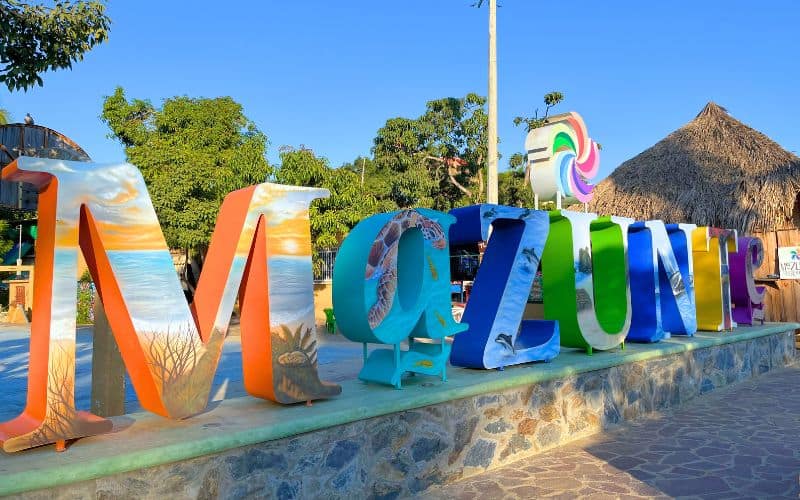
1. Mazunte, Oaxaca
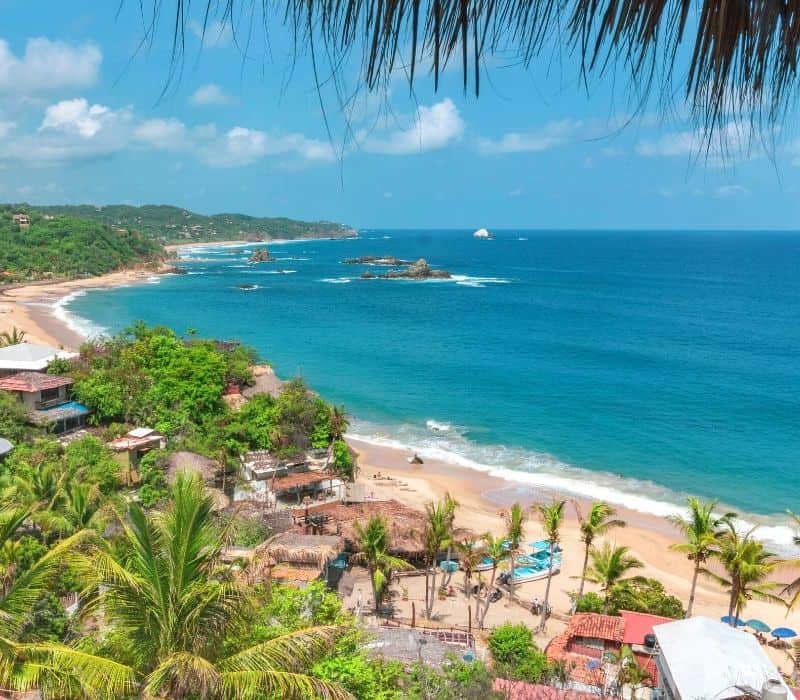
🤔 Why Visit Mazunte Pueblo Magico?
Mazunte is one of the 135 or so Mexico pueblos magicos (magic towns). There are six Oaxaca pueblos magicos, and Mazunte is the only pueblo magico on the coast of Oaxaca — making it ideal for beach lovers.
It is also a haven for spiritual seekers, bohemian travelers, artists and backpackers. Mazunte is considered one of the metaphysical hubs in Mexico, much like Sayulita and Tepoztlan, two other pueblos magicos in Mexico.
🗺️ Where is Mazunte Mexico?
Mazunte is located on the coast of Oaxaca, and sits right on the Pacific Ocean.
It is located between two of the best beach towns in Oaxaca, Puerto Escondido and Huatulco. You can reach either of these towns by car in about one hour.
📍 View Mazunte on Google Maps.
🥳 Best Things to Do in Mazunte Oaxaca

🏝 Best Mazunte Beaches
Mazunte has relatively untouched beaches, so they are all beautiful and peaceful. Many consider Playa Mermejita the best beach in Mazunte, and one of the best beaches in Mexico.
There’s also Playa Mazunte and Playa Rinconcito, located next to one another. Here, you’ll find all the best restaurants in Mazunte, as well as the bars and all the Mazunte tour operators.
Playa Rinconcito is the best beach in Mazunte for swimming, as the waves at the other beaches can get quite large.
🧘♀️ Yoga Classes in Mazunte Pueblo Magico
Mazunte attracts a lot of yogis, healers and spiritual folk. In Mazunte and its neighboring town of San Agustinillo, you’ll find Hridaya Yoga Mazunte, Casa Om and Solstice Yoga, which all offer drop-in classes.
☀️ Sunrise or Sunset at Punta Cometa
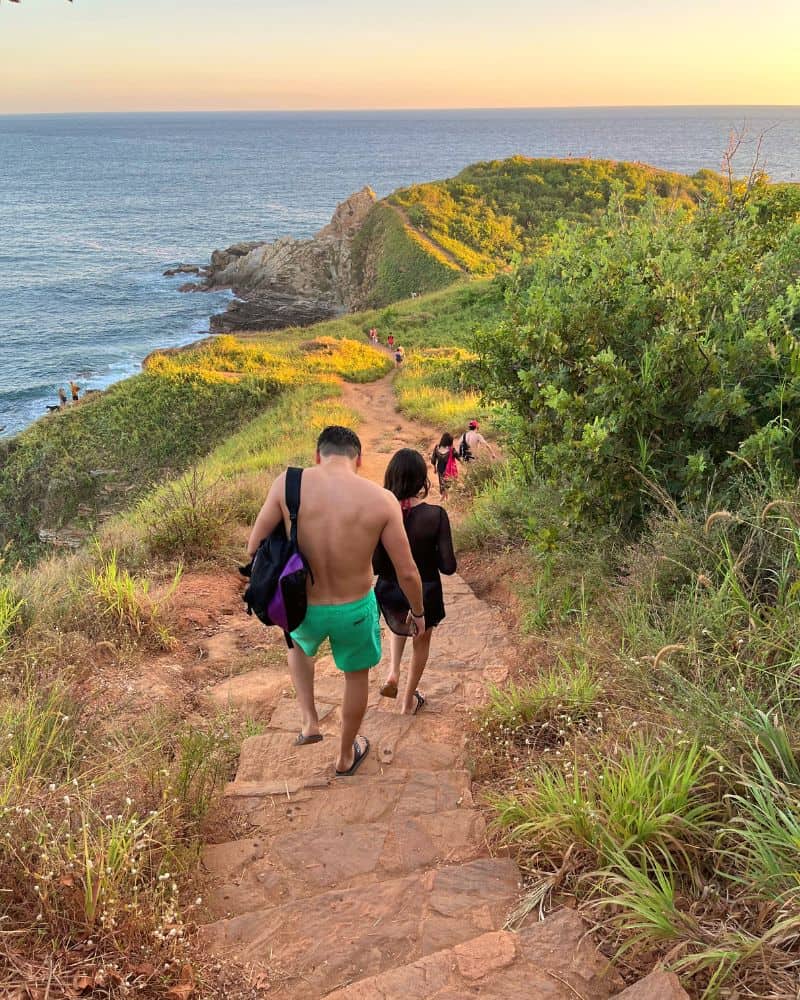
Punta Cometa is just a short and easy hike up from Playa Mazunte. You can walk up there all day, but it’s an especially popular area at sunset because you’ll get some amazing views from the clifftop.
Just below Punta Cometa, you have panoramic Pacific Ocean views, and you can see all of the beaches in Mazunte. During the whale watching season in winter, you’ll also see whales jumping around in the water!
🐢 Mazunte Turtles (Playa la Escobilla Sanctuary)
Oaxaca is home to several major turtle nesting beaches, including La Escobilla. This protected beach is located about 25 minutes from Mazunte, and one of the best places to see turtles in Oaxaca state.
La Escobilla Beach is among the world’s top nesting grounds for Olive Ridley turtles. Each year, they come by the thousands to nest on this particular beach during La Arribada, meaning “the arrival.”
🌎 Laguna Ventanilla Nature Sanctuary
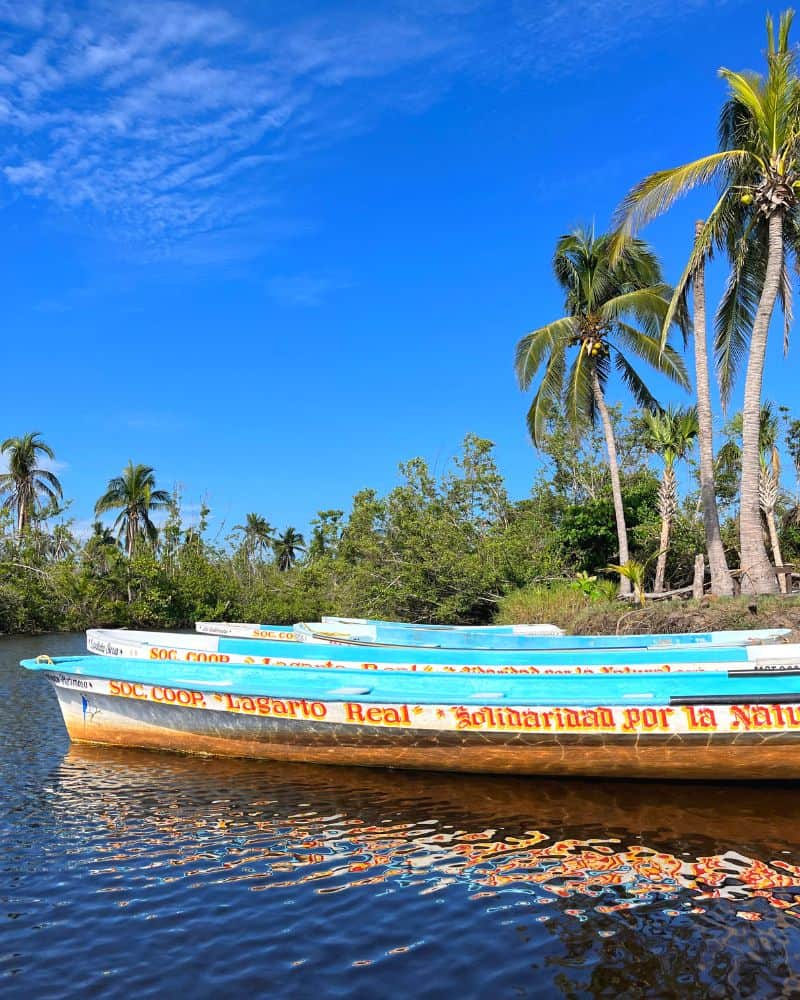
Laguna Ventanilla is a lagoon that 20 families have taken up conservation efforts to protect.
The Ventanilla Ecotourism Cooperative offers the ideal way to practice sustainable tourism inn Mexico and supports the local community.
Oaxaca Pueblos Magicos
2. San Pablo Villa de Mitla, Oaxaca
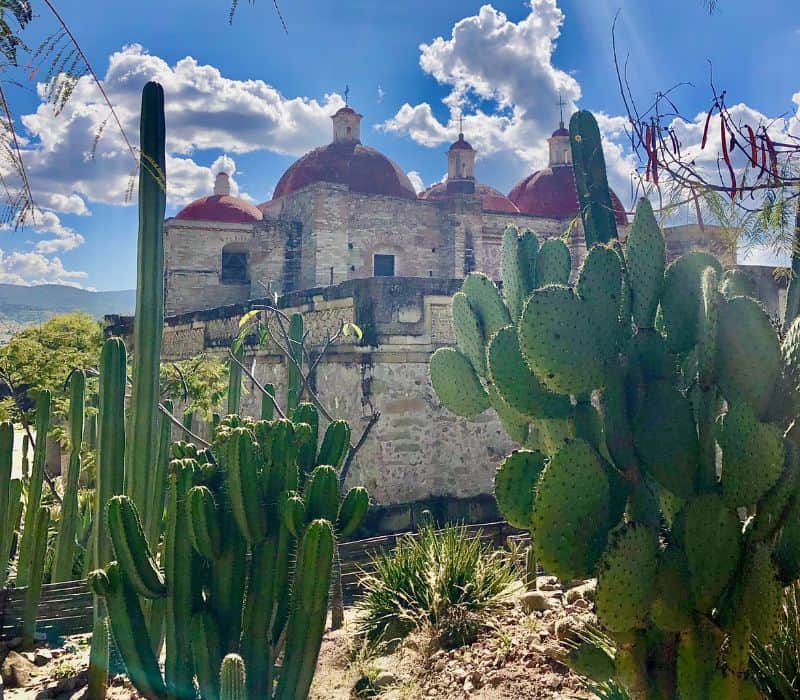
🤔 Why Visit Mitla Oaxaca?
San Pablo Villa de Mitla, usually just called Mitla, is one of the most popular Oaxaca pueblos mágicos thanks to the archeological ruins of Mitla. They were a spiritual center for both the Mixtec and Zapotec cultures.
Mitla was once a holy burial site for the Zapotec community’s nobles, and is more than 10,000 years old. In 2010, the Mitla archeological zone was designated as one of the UNESCO World Heritage Sites in Mexico.
The town of Mitla is also known for its culture, history, unique architecture, and artisan embroidery. It is also famous as a Oaxaca mezcal town, with plenty of local producers making “the drink of the gods.”
🗺️ Where is Mitla Mexico?
Mitla is located about 28 miles (45 km) from Oaxaca City. It is part of the Tlacolula District, just east of Valles Centrales (Central Valley Region).
📍 View Mitla on Google Maps.
🥳 Best Things to Do in Mitla Oaxaca

🕌 Mitla Ruins & Archaeological Site
The main attraction in this Oaxaca pueblo magico are the ruins of Mitla. The city of Mitla Oaxaca is home to two pre-hispanic archaeological complexes, caves and rock shelters.
Some of these shelters even provide rock art and archaeological evidence demonstrating the evolution of humans in the region from hunter-gatherers to farmers.
Mitla is known as the Place of the Dead in the Nahuatl language. The Zapotec believed that Milta served as a getaway between the word of the dead and the living.
It was a religious center run almost exclusively by priests who spent their time performing rites, burning incense, and making sacrifices to the gods.
The ruins, located just outside the city of Oaxaca, are one of the most preserved archeological sites in the valley of Oaxaca. They are thought to be more than 10,000 years old.
💒 Church of San Pablo mitla
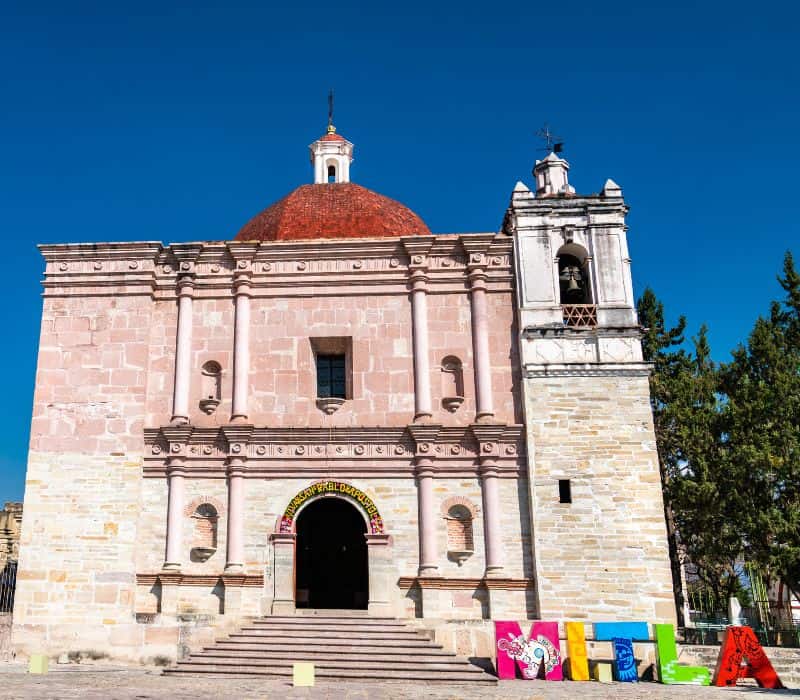
The Church of San Pablo was built on the ruins of a pre-Hispanic temple using stones from destroyed Zapotec temples. The construction started in 1590, making it one of the oldest churches in Mitla, Oaxaca.
🥃 Sample Locally-made Oaxaca Mezcal
The region is home to multiple artisanal mezcal factories, many of which offer tours and tasting sessions. This is the perfect pueblo if you want to taste some locally-produced Oaxacan mezcal.
🛍 Shop in the Markets
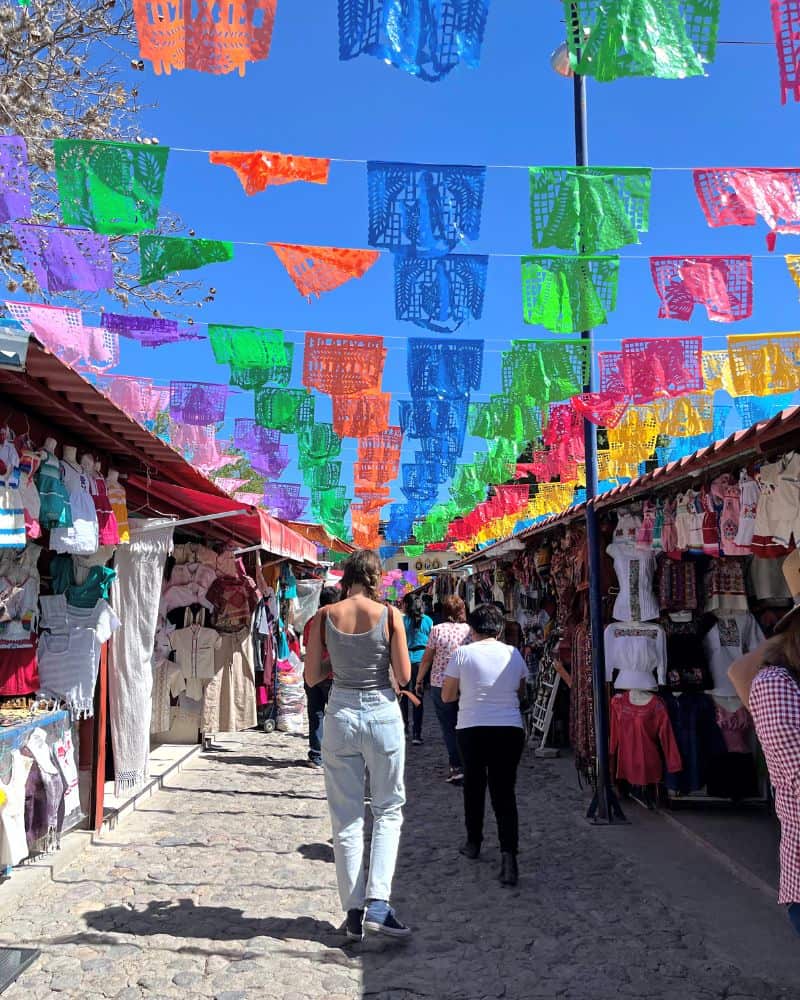
Mitla is also known for its handmade textiles and embroidered pieces. It is a cultural hub filled with different traditional handicraft markets, like the Mercado de Artesanías de Mitla (Mitla Artisan Market).
The Mitla Market is considered one of the best Oaxaca markets. It has several artisanal stalls can be found around the archaeological area where locals sell clothing and textile crafts made by the local Zapotecs.
Oaxaca Pueblos Magicos
3. Capulalpam de Mendez, Oaxaca

🤔 Why Visit Capulalpam de Mendez Pueblo Magico?
This particular Oaxaca pueblo magico is known for its beautiful natural environment and pre-Hispanic traditions. It is also the epicenter of traditional indigenous medicine in Oaxaca.
Capulalpam de Mendez was also the first town in the state to earn the title of pueblos magico in Oaxaca, Mexico.
The town is home to the Centro de Medicina Indígena Tradicional (Traditional Indigenous Medicine Center). This center focuses on preserving indigenous knowledge of traditional medicine and local plants.
🌳 Oaxaca Fun Fact: The name Capulálpam means “land of the chokecherry tree” in Nahuatl, the Aztec language). The chokecherry is a common tree in the region.
Capulalpam is also surrounded by lush, sprawling forests filled with greenery and beautiful views, ideal for nature lovers. The surrounding areas have rustic accommodations and outdoor activities like hiking and ziplining.
🗺️ Where is Capulalpam de Mendez Mexico?
This pueblo mágico is located 43.5 miles (70 km) east of Oaxaca City, in the northern highlands of Oaxaca.
It is surrounded by the mountains of the Sierra Norte and is situated at an altitude of more than 6,560-feet (2,000 m). If you’re visiting the region, expect the climate to be cool yet humid, no matter the month.
📍 View Capulalpam de Mendez on Google Maps.
🥳 Best Things to Do in Capulalpam de Mendez

🩺 Center for Indigenous Medicine
Part of the town’s ancestral legacy is a focus on traditional alternative medicine. Here, they prioritizes the use of herbs, local plants, therapeutic baths and massages over pills and Western medicine.
When visiting, don’t miss the Capulalpam Center for Indigenous Medicine, located in the center of town.
This is a holistic healing center where patients can consult with healers, and is also home to a naturist pharmacy and a chapel. It is a bastion for preserving ancestral medicinal traditions.
🕌 Temple of San Mateo
The Templo de San Mateo was built more than 300 years ago, and located in the main square in the center of town. San Mateo is the patron saint of Capulalpam de Mendez, Oaxaca.
Though the exterior is beautiful, make sure to step inside. The temple is adorned with unique wooden altarpieces dating back to the 16th and 17th Centuries.
🗻 Mirador de la Cruz
For the best scenic views in town, head to Mirador de la Cruz. This lookout point is a beautiful spot to enjoy the mountain sceneries of the region.
💧 Cueva del Arroyo Caves & Cerro Pelado
Located 15 minutes outside, don’t miss the Cueva del Arroyo Caves.
These natural grottos have some uniquely beautiful rock shapes, stalactites and stalagmites, which you can see on a guided tour.
Cerro Pelado is a mountain with an elevation of more than 8,200-feet (2,500 m). It is the perfect place for avid hikers, with some of the best hiking in Oaxaca, Mexico.
Oaxaca Pueblos Magicos
4. Saint Peter y Saint Paul Teposcolula, Oaxaca
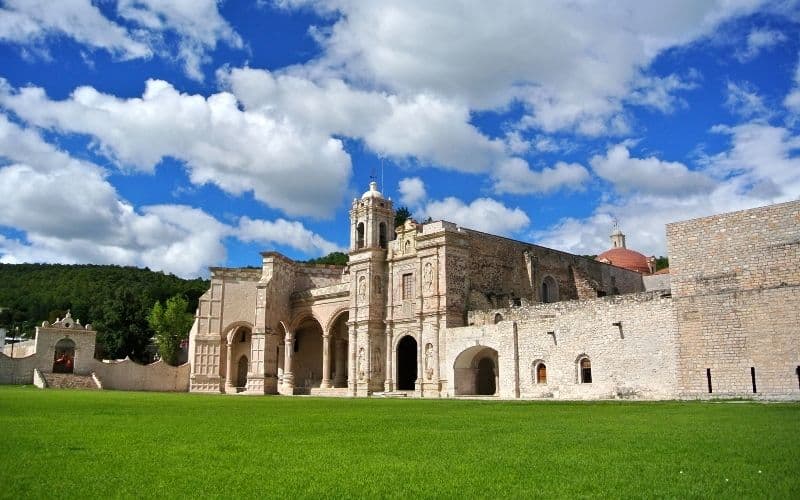
🤔 Why Visit Saint Peter and Saint Paul Teposcolula Pueblo Magico?
Known for its architectural gems, this pueblo magico in Oaxaca is an excellent place to learn about Mixtec culture.
The town’s cobblestone streets are lined with beautiful architectural buildings, including this historic House of the Cacica. The last queen of the Mixtec culture once lived in this 16th Century palace.
Saint Peter and Saint Paul Teposcolula is also the perfect place to taste some traditional Oaxaca foods, including mole, tlayudas, tamales oaxaqueños (oaxaca tamales), and chili relleno (stuffed chili peppers).
🗺️ Where is Saint Peter and Saint Paul Teposcolula Mexico?
San Pedro y San Pablo Teposcolula is located in the Teposcolula District in the center of the Mixteca Region of Oaxaca. The town is located about 75-miles (120 km) north of Oaxaca City.
📍 View San Pedro y San Pablo Teposcolula on Google Maps.
Best Things to Do in Saint Peter and Saint Paul Teposcolula
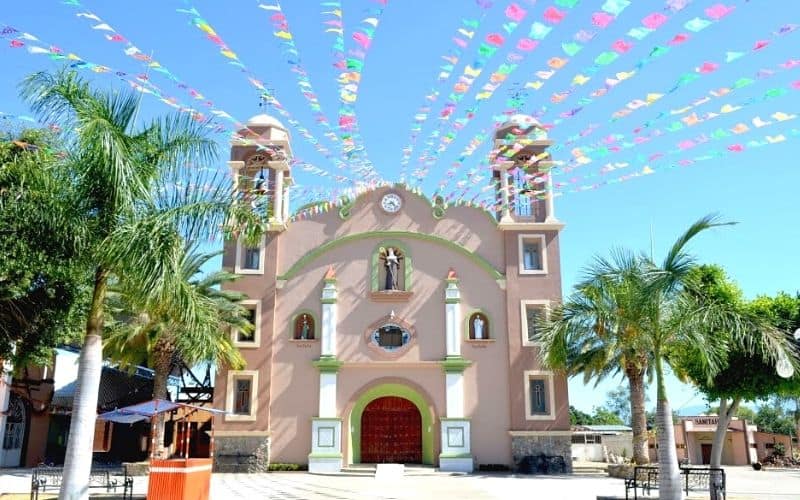
💒 Chapel of Santa Gertrudis
Inside the complex, visitors will also find the Chapel of Santa Gertrudis. It has two floors and a small botanical garden, and the structure itself resembles the beautiful colonial churches you’ll find in Antigua, Guatemala.
🕌 San Pedro and San Pablo Temple & Cloister
Built in the 16th Century, this temple and abbey is part of a massive religious complex that has both renaissance and gothic influences.
The complex has an open-air chapel, which in the 16th Century, was an architectural innovation. Today, the San Pedro and San Pablo Chapel is the largest of its kind in Latin America.
🗻 Cerro de Pueblo Viejo
The Cerro de Pueblo Viejo was another important part of Mixtec culture.
Located about five-miles (8 km) from town, this mountain region was inhabited from 1000 and 1550 AD. Archeological explorations in the early 2000s unearthed ruins of Cacique civilization houses and a ball court.
🏰 Casa de la Cacica (House of the CACICA)
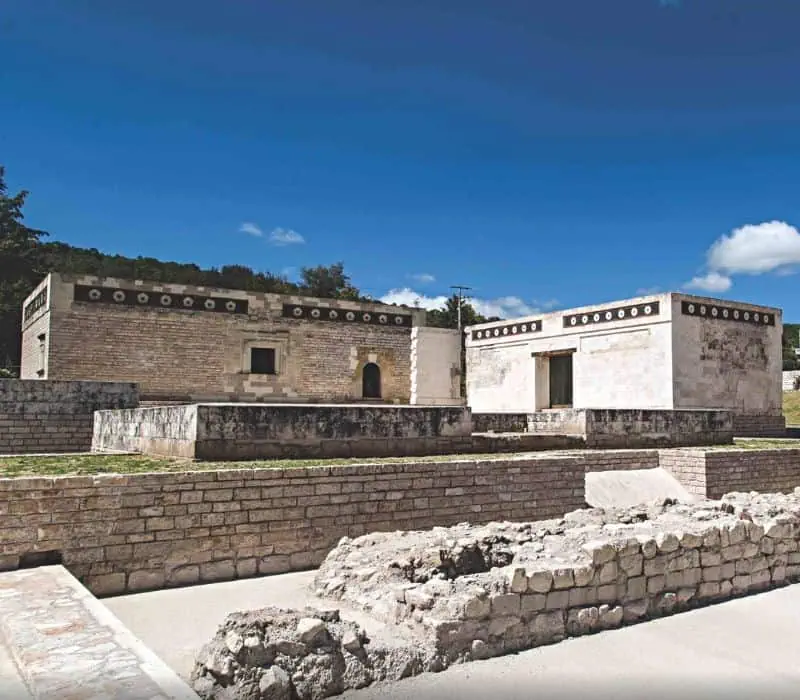
Another 16th Century Mixtec building complex, the Casa de la Cacica served as the old palace and the residence of the last Mixteca queen.
The Casa de la Cacica is one of the few remaining buildings built for indigenous royalty still standing in Mexico today.
5. Huautla de Jimenez, Oaxaca
🤔 Why Visit Huautla de Jimenez Pueblo Magico?
Huautla de Jiménez, or Huautla for short, is known for shamanic rituals and magic mushrooms.
The town was popularized by María Sabina, a Mexican shaman and healer, also known as the Priestess of the Mushrooms.
🧿 MARÍA SABINA: MEXICAN SHAMAN AND HEALER
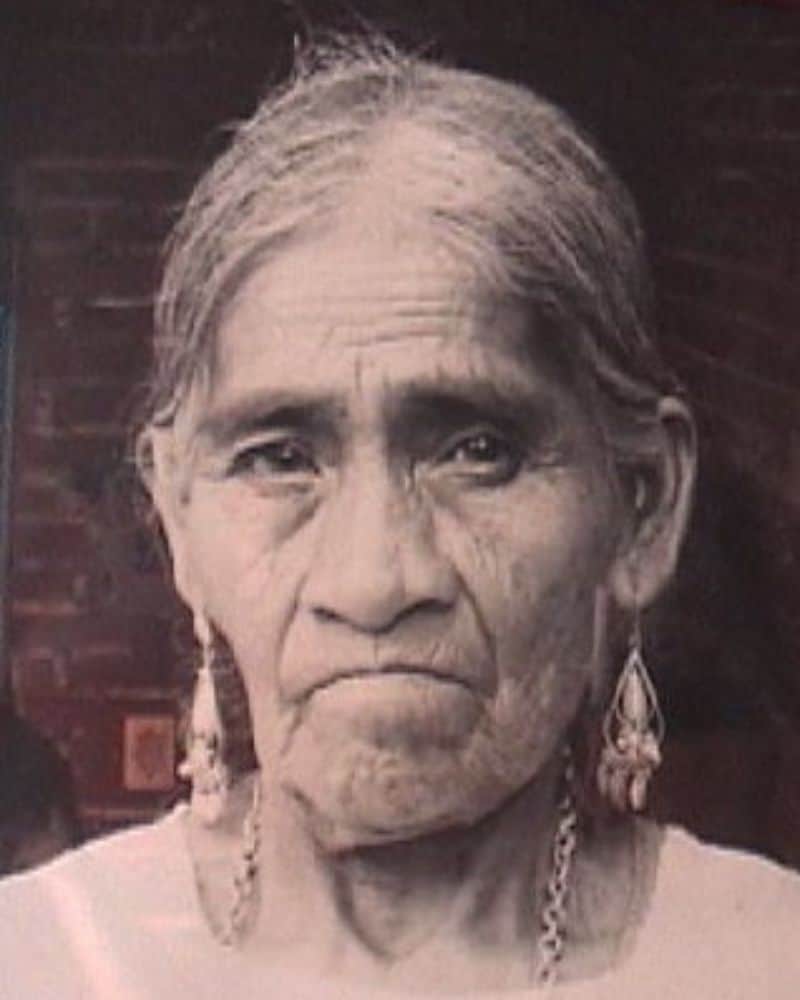
Born in Huautla, María Sabina used psilocybin (hallucinogenic mushrooms) found in the region in many of her shamanic rituals. These veladas (healing ceremonies) have been used by the Mazatec people for thousands of years.
Today, there is a María Sabina fountain in town to honor Huautla’s most famous resident. Her former house has also been transformed into the Casa María Sabina Museum.
Oaxaca Fun Fact: One of the best Oaxaca mezcalerias (mezcal bars) is named in her honor. It is called Sabina Sabe, and located in Downtown Oaxaca City.
📿 MAZATEC CULTURE
Huautla is also known for the Mazatec culture, which is still in the town’s daily life. Many people still speak the language, and local women still trend dress in the traditional Mazatec huipil garment (pronounced wee-peel).
Last but certainly not least, the town is surrounded by waterfalls, forests, mountains, rivers, and viewpoints that will delight every type of outdoor enthusiast.
🗺️ Where is Huautla de Jimenez Mexico?
Huautla is in the Cañada Region of Oaxaca, known for its mountains. It is located about 155 miles (250 km) from Oaxaca City.
📍 View Huautla de Jimenez on Google Maps.
🥳 Best Things to Do in Huautla de Jimenez
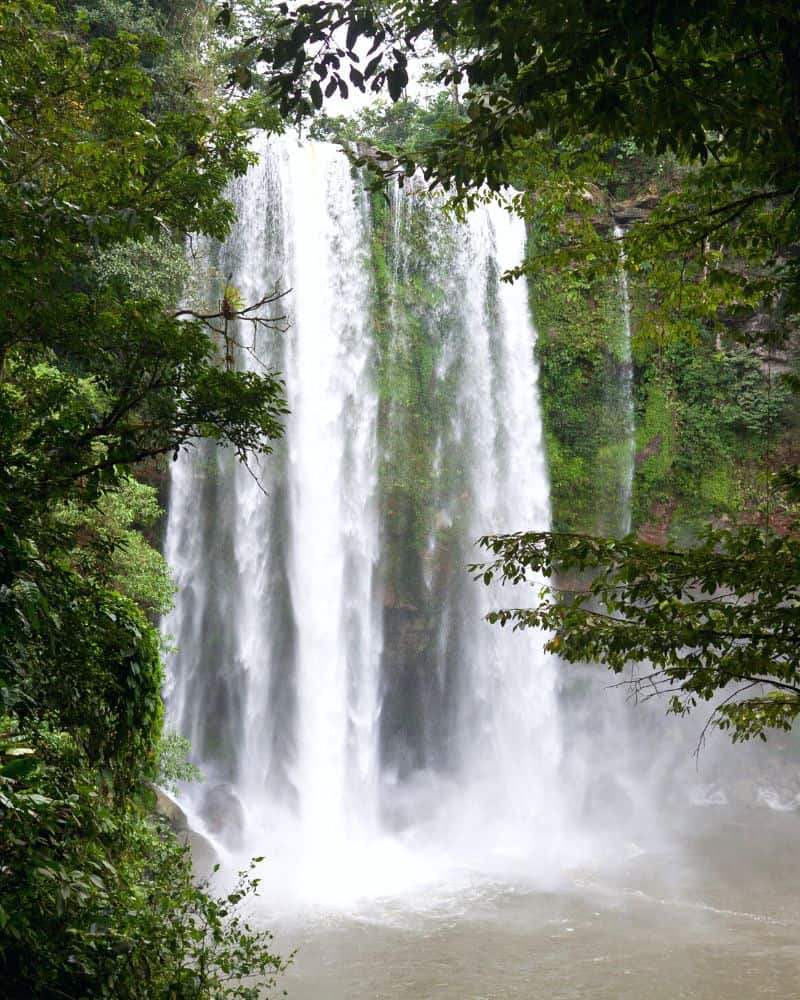
💧 Velo de Novia Waterfall
About 10 minutes from town, you’ll find the Velo de Novia Waterfall. This stunning waterfall is more than 115-feet-tall (35 m) and named after a wedding veil (velo de novia means “bridal veil” in Spanish).
🪨 Grotto of San Agustín
Also known as Sótano de San Agustín (Saint Agustin’s Basement), the Grotto of San Agustín is home to one of the world’s deepest cave systems in the world, and one of the longest.
The cave here has a depth of 4,100-feet (1,250 m), and a total length of just less than 50-feet (15 m).
🗻 Cerro de la Adoración
Although the Cerro de la Adoración offers a beautiful view over the Sierra Mazateca and the town of Huautla, this spot is also a sacred place in Mazatec culture.
The hill, also called the Home of the Guardian of the Hills, has a small altar at the top where locals often leave offerings or perform rituals. María Sabina also used to climb this hill in search of her mushrooms.
If you do come and visit, take the trip with a local guide that can share the stories and legends surrounding this sacred place.
Oaxaca Pueblos Magicos
6. Santa Catarina Juquila, Oaxaca

🤔 Why Visit Santa Catarina Juquila Pueblo Magico?
This Oaxaca pueblo magico, founded in 1272 AD by the Mixtec people, is one of the most important religious tourism destinations in Mexico.
Oaxaca Fun Fact: The name Juquila comes from the Náhuatl (Aztec language) word xuhquililla, which means “place of blue milkweed.”
More than a million pilgrims visit the Sanctuary of the Immaculate Virgin of Juquila each year. She is the second most important saint in Oaxaca after Nuestra Señora de Soledad, who is actually the patron saint of Oaxaca!
🧵 Chatino Embroidery
If you aren’t religious, don’t worry — this pueblo also offers beautiful traditional architecture, friendly locals and a gorgeous natural setting.
There’s also Chatino embroidery workshops and several tianguis (open-air markets) where visitors can also find stalls of Chatino artisans. The Chatino people are just one of many indigenous groups in Oaxaca.
🗺️ Where is Santa Catarina Juquila Mexico?
Santa Catarina Juquila is located about 125 miles (200 km) southwest of Oaxaca City, and about 62 miles (100 km) north of Puerto Escondido. It is part of the Juquila District in the center of the Costa Region.
📍 View Santa Catarina Juquila on Google Maps.
🥳 Best Things to Do in Santa Catarina Juquila

💒 Sanctuary of the Immaculate Virgin of Juquila
The Sanctuary of the Immaculate Virgin of Juquila is home to a 14-inch-tall (35 cm) statue of the Virgin of Juquila.
It is a place of reverence and a popular religious pilgrimage destination, with more than one million devotees visiting the sanctuary every year.
The statue was brought to Mexico in 1552 by a Spanish friar and later moved to a hut in a village. When fires broke out in the town in 1633, everything was destroyed except the small statue.
Deemed a miracle, the figure was moved in the 18th Century to its current location, and the Sanctuary of the Immaculate Virgin of Juquila was built around it.
One of the most important festivals in Oaxaca, the Virgin of Juquila Festival takes place on December 8. On this day, you’ll hear church bells ring and see processions and fireworks in her honor.
💧 Rivers and Waterfalls in Juquila
Want to cool off in the warm town of Juquila, Oaxaca? In that case, there are several rivers with crystal clear waters to enjoy, like the Olla River and the Hoja River, both located in La Asunción.
There’s also the Chorro Conejo Waterfall, which stands more than 98-feet-tall (30 m). It is formed by several streams that run through the region.
Oaxaca Pueblos Magicos
Oaxaca Travel Guide and FAQ
How do you pronounce Oaxaca?
Wondering about the Oaxaca pronunciation? It’s a common question, so if you are, you’re not alone! The word Oaxaca is pronounced waa-haa-kah.

What is Oaxaca known for?
Wondering, Why is Oaxaca so popular? There are five things Oaxaca is known for — art, culture, the Oaxaca Day of the Dead celebration, mezcal and food.
In fact, Oaxaca is known as the Foodie Capital of Mexico, so try both the street food in Oaxaca and the restaurants while on your Oaxaca vacation.
Where is Oaxaca located?
Oaxaca is a state in southern Mexico, surrounded by other Mexican states like Chiapas and Puebla.
🗺️ Oaxaca Map
The southern edge of the state sits on the Pacific Ocean. Oaxaca City is the state’s capital city, and located about six hours south of Mexico City, you can book direct flights.
What is the best time to visit Oaxaca Mexico?
The best time to travel to Oaxaca is during the dry season, October to May. However, the temperate weather in Oaxaca City means it can be a year-round destination.
While it will rain during the Oaxaca rainy season, you’ll also get lower prices — as this is the slow season.
If you want to avoid the crowds, the Oaxaca busy season runs from about late-October for Day of the Dead, through mid-January.
Many also visit Oaxaca de Juárez (Oaxaca City) for the Guelaguetza in July, the second biggest Oaxaca festival.
🌡️ Oaxaca weather
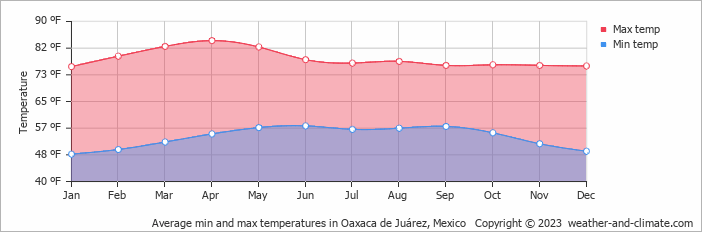
Oaxaca City has a desert climate, so hot days and cool nights. The temperature in Oaxaca fluctuates a lot, so be mindful and bring layers when packing for Oaxaca. If you hate the heat, avoid the hottest months of April to May.
Is Oaxaca safe for tourists?
For the vast majority of travelers, Oaxaca is safe to visit. In fact, Oaxaca is one of the safest states in Mexico. Oaxaca City is the country’s 67th largest city, with a population of about 275,000, but retains a humble, pueblo vibe.
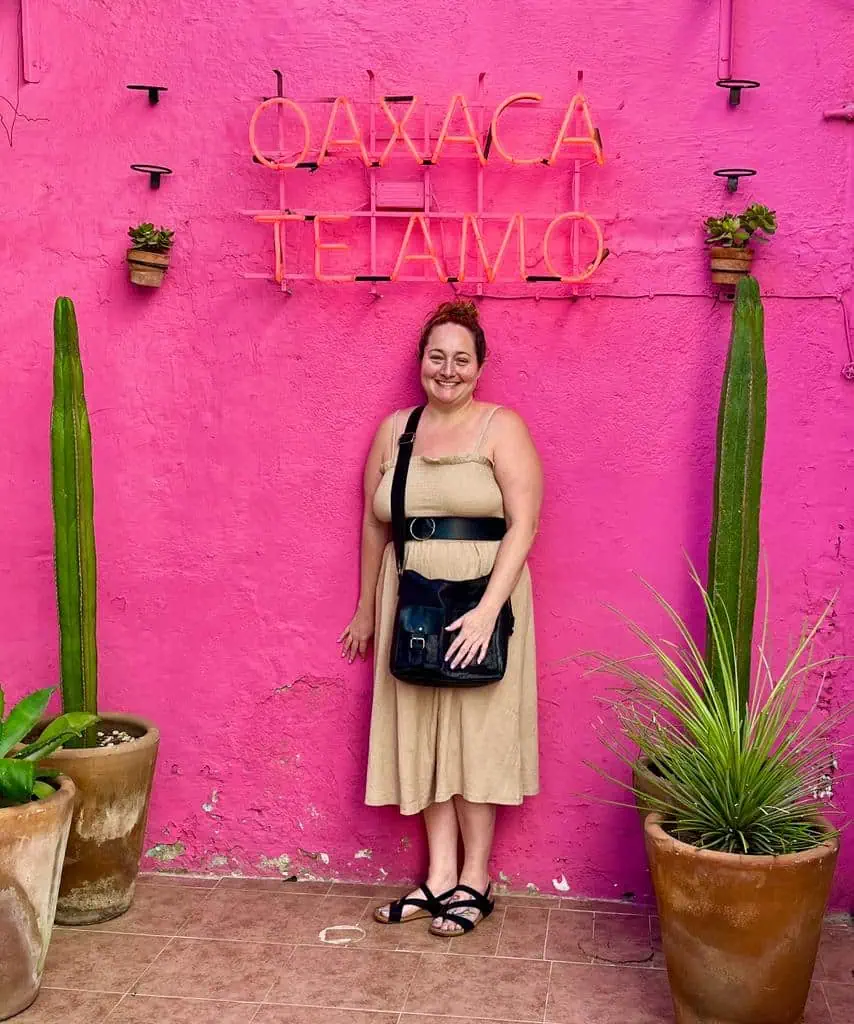
⚠️ For a deep dive into this topic and a Oaxaca safety guide, check out Is Oaxaca Safe to Travel to Right Now?
That’s not to say bad things don’t happen in Oaxaca; they do.
However, if you take the same general travel precautions you would anywhere else — ie. stay aware of yourself, your belongings and your surroundings — you should be safe traveling to Oaxaca.
Is there Uber in Oaxaca City?
No — There is no Oaxaca Uber service, and no Lyft in Oaxaca either.
They do have DiDi Taxi through DiDi Rider app, which lets you call a Oaxaca taxi via the app. It’s basically like using Uber or Lyft, but you will get a regular cab.

🚕 Are taxis safe in Oaxaca Mexico?
For the majority of travelers, yes, taxis are perfectly safe to use in Oaxaca.
I personally prefer to call taxis via the DiDi Rider app, so I have a record of my trip and the price is already set for me, but you can also just hail a cab on the street.
How many days do you need in Oaxaca City?
Within Oaxaca City itself, you can see the highlights in 2-3 full days. However, many visitors could realistically spend a week in Oaxaca City — especially art, food and culture lovers.
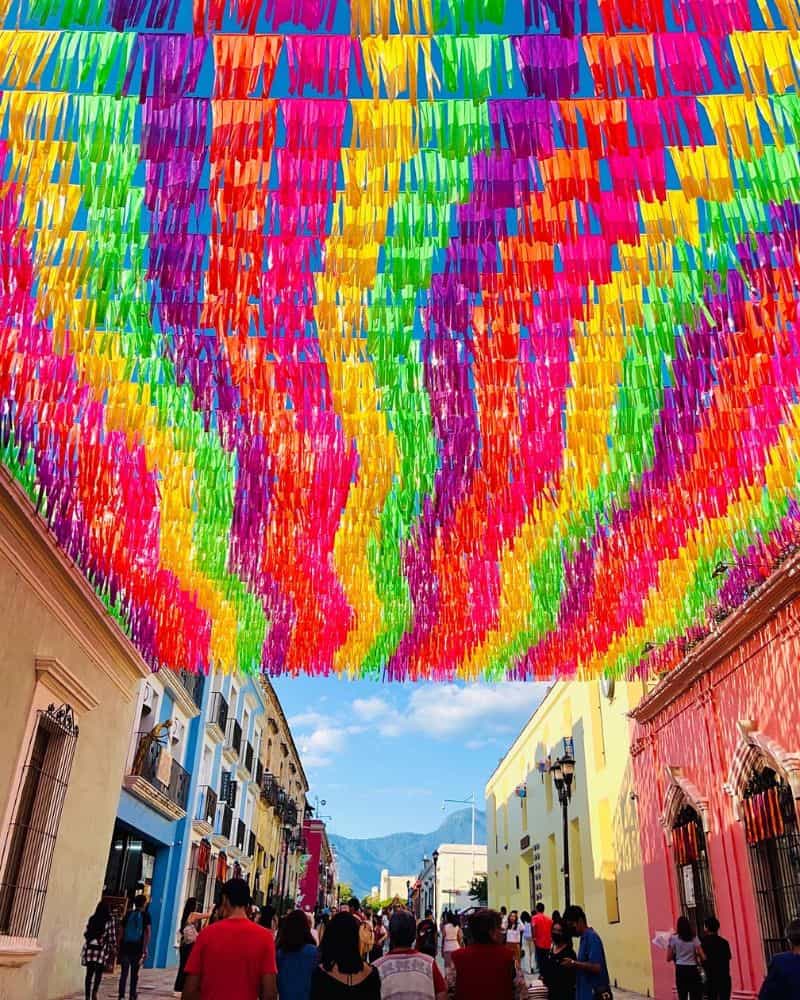
🇲🇽 OAXACA CITY
For those who want to explore the villages outside town, like Hierve el Agua in San Lorenzo Albarradas, San Agustín Etla, Teotitlán Del Valle and San Pablo Villa de Mitla, plan for 5-6 full days.
🇲🇽 OAXACA State
To visit the entire state, including Oaxaca City (Oaxaca de Juarez), the Oaxaca beach towns and the Oaxaca mountain towns, you’d want at least three weeks.
Oaxaca state spans 36,275 square miles (93,952 km²), so there’s a lot to see.
Is Oaxaca City worth visiting?
Yes — Oaxaca is magical; it’s the Mexico people imagine Mexico to be.
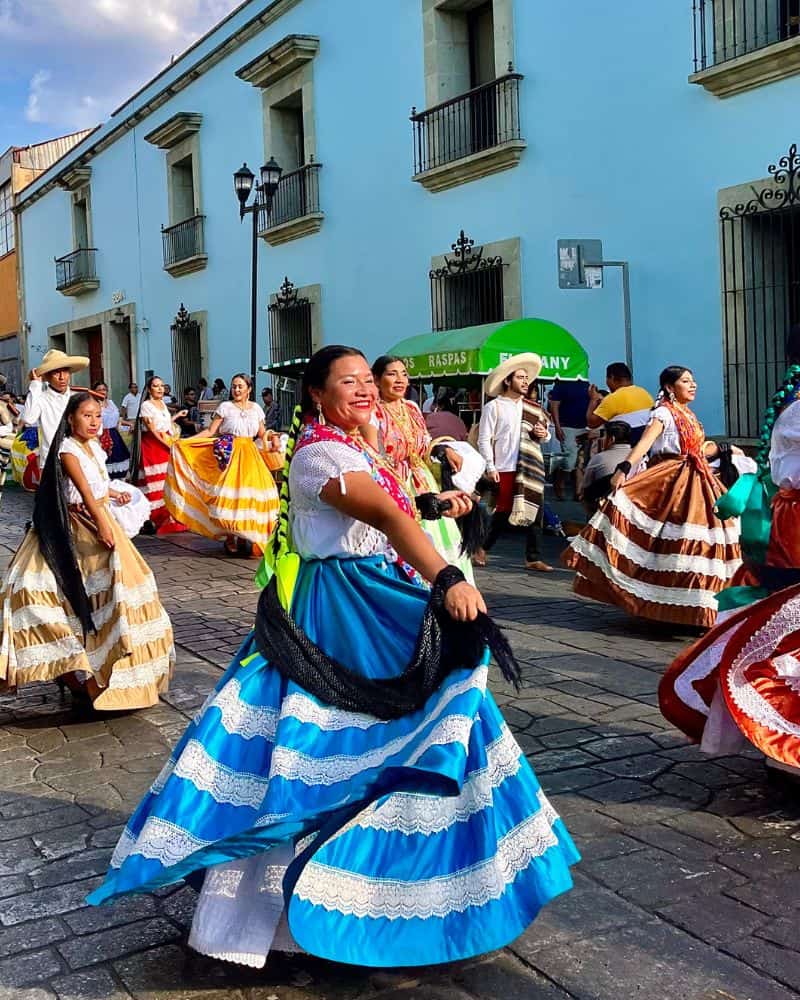
There’s everything from rich history, colorful festivals, UNESCO World Heritage Sites, locally-made Oaxacan mezcal, beautiful nature, colonial architecture, indigenous artisan communities, and of course, the Oaxacan food.
As you’ll usually need to take at least two flights to Oaxaca, Mexico, or even a flight and a bus, you might still be wondering if traveling to Oaxaca is worth it.
I hope this guide to Oaxaca made it clear that FU+K YES IT IS!
Final Thoughts: Best Oaxaca Pueblos Magicos
While we’ve reached the end of this list of all of the Oaxaca pueblos magicos, it just scratches the surface of the many amazing places to see in Oaxaca state.
To maximize your time traveling, consider renting a car in Oaxaca and doing a road trip if you want to visit a few of the Oaxacan pueblos magicos. As many are off the beaten path, this is the best way to reach them.
While you can get around by bus, colectivo (shared van) and public transport, it’s not efficient. Travel in rural Oaxaca isn’t easy, reliable or fast, so you will sacrifice a lot of your precious travel time.